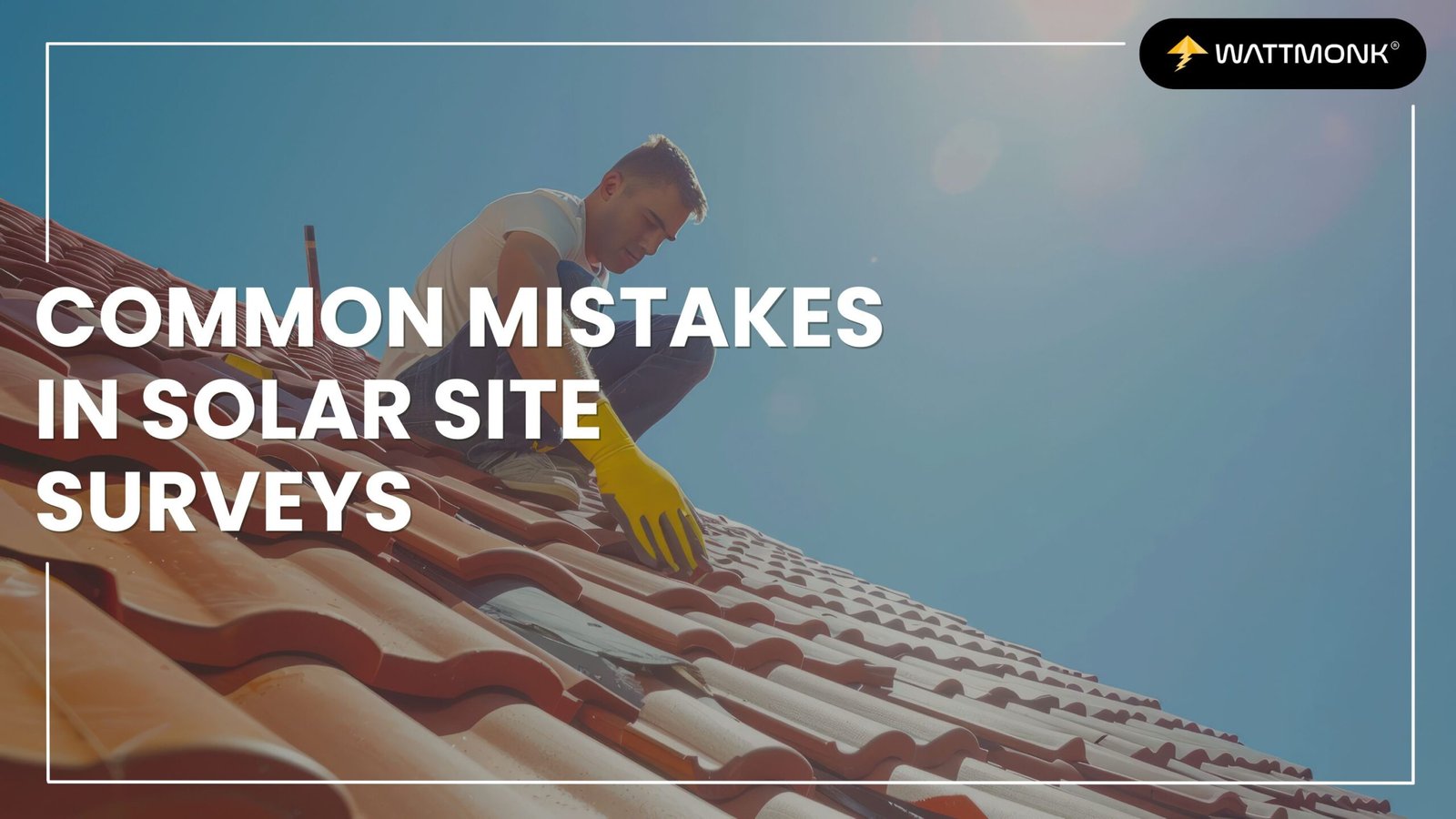
Common Mistakes in Solar Site Surveys
The U.S. Department of Energy shows that so-called “soft costs” including permitting, design, and installation processes make up a significant portion of total system cost and are heavily influenced by…

Insights
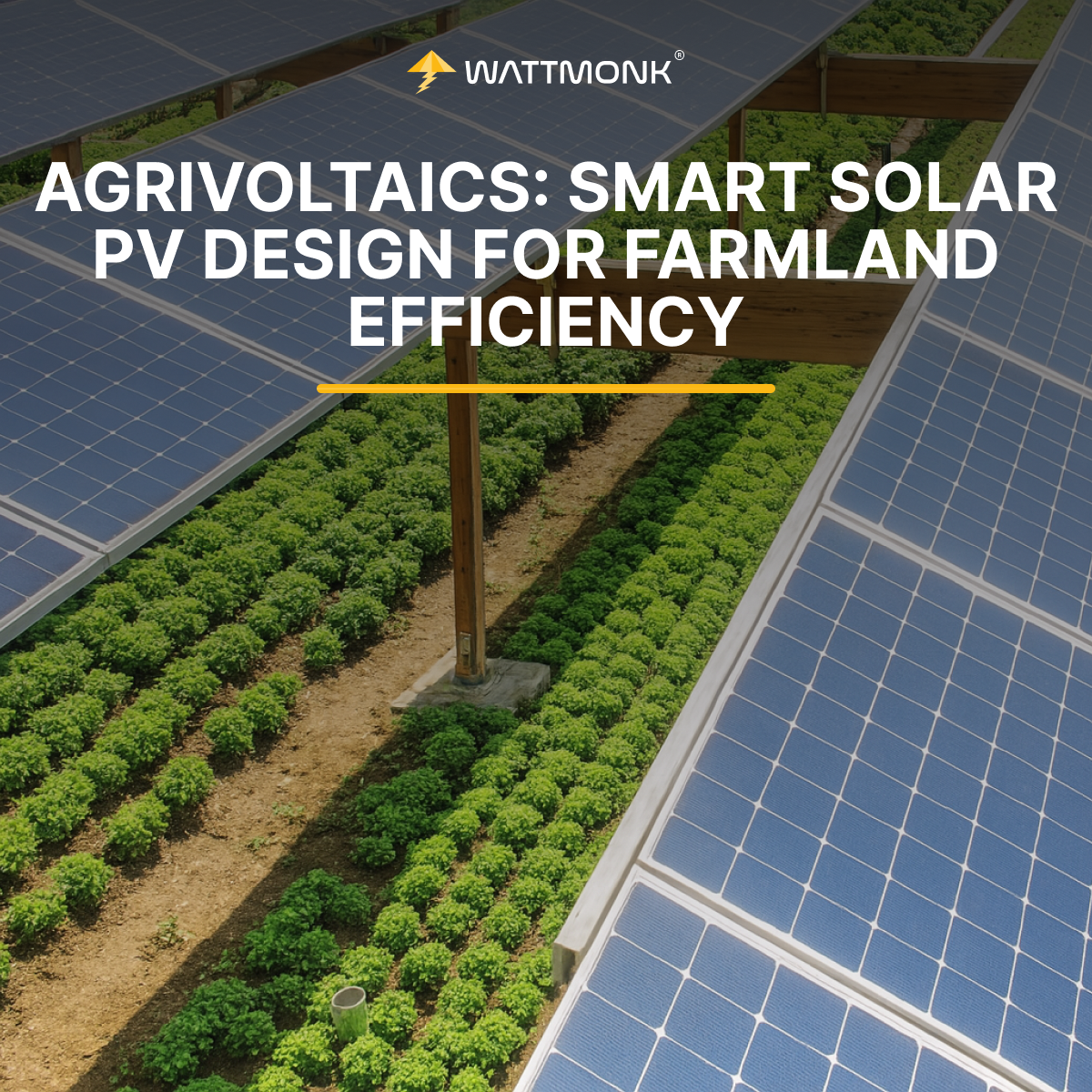
What if your farmland could power your home and grow your crops—at the same time? That’s what agrivoltaics promise, where solar panels and agriculture team up to make every square foot of land work harder.
In fact, studies show that using just 1% of U.S. farmland for solar panels could generate 20% of the country’s electricity needs. That’s not just sustainability—it’s smart business. But designing a system that supports both crops and clean energy isn’t as simple as mounting panels in a field. It takes thoughtful solar PV system design—balancing sunlight, spacing, tilt angles, and equipment clearance.
In this blog, we’ll break down how agrivoltaic systems work, what crops grow best under panels, and how to design layouts that boost both harvests and energy output. Whether you’re a solar EPC, installer, or agri-focused developer, you’ll learn how to turn open farmland into a productive, dual-use powerhouse.
Agrivoltaics is exactly what it sounds like: agriculture + photovoltaics. It’s a system where solar PV panels are installed above or around crops, creating a shared space where food and energy are produced together.
Unlike standard ground-mount solar PV systems that take farmland out of production, agrivoltaics gives that land a second life. Farmers can grow shade-tolerant crops underneath the panels, while harvesting solar energy from above—essentially stacking revenue streams without sacrificing soil. In many cases, crops actually benefit from partial shading—especially in hot, dry regions where too much sun can reduce yields or dry out the soil faster.
And the best part? This dual-use approach doesn’t require huge changes to standard solar PV system design—it just demands a smarter one. By adjusting things like panel height, row spacing, and tilt, installers can make room for crops without losing efficiency.
For EPCs and solar professionals, agrivoltaics isn’t a trend—it’s a growing opportunity to serve farms and rural clients looking to generate income, protect their land, and power their future.
Designing a dual-use solar PV system means thinking beyond just kilowatts. In agrivoltaics, how you design the layout directly impacts both energy production and crop performance—which makes the design stage even more critical.
Here are the essentials to get right:
Unlike typical ground-mounted arrays, agrivoltaic systems often require panels to be elevated 7–12 feet off the ground, depending on the crop type and farm machinery used. This allows enough clearance for tractors, irrigation, and workers—without shading out too much sun.
Spacing between panel rows isn’t just about avoiding shading—it’s about managing light distribution across crops. Wider spacing allows more diffuse light to reach plants, improving yield for shade-tolerant varieties like lettuce, spinach, or berries.
Installers can run solar design calculations to model sun paths and seasonal angles before finalizing layouts.
Yes, south-facing panels still matter—but in agrivoltaics, you may need to balance optimal tilt angles with crop exposure. Fixed-tilt systems are common, but single-axis trackers can improve both energy yield and crop lighting throughout the day.
Plan for both solar and agri-electrical needs—such as irrigation pumps, sensors, or LED grow lights. Designing for dual infrastructure early avoids costly retrofits down the line.
Agrivoltaic installations are still farms, after all. That means ensuring proper water runoff, soil stability, and non-compacted zones around panel footings—especially if cattle or heavy equipment are in use.
When it comes to agrivoltaics, the trick isn’t just to grow crops and capture sunlight—it’s to do both without one compromising the other. That means choosing the right crops and designing layouts that let them thrive under solar PV panels.
Not every plant loves partial shade, but quite a few actually perform better with filtered sunlight—especially in hot or dry climates.
Popular agrivoltaic crops include:
These crops benefit from reduced heat stress, slower evaporation, and less need for irrigation. In fact, some farms have reported up to 30% higher yields under panels during drought-prone seasons.
Agrivoltaic layouts often come with trade-offs. More panels = more energy, but less light for crops. Too much spacing for crops? You might reduce your kWh output.
This is where precise solar pv system design plays a key role. Using solar design tools and simulation software, installers can:
With the right tools, solar PV installers and EPCs can simulate layouts, track shading patterns, and calculate both energy yield and agricultural impact—before a single footing hits the soil.
Here’s how technology is transforming solar pv system design for farms:
Platforms like HelioScope, Aurora Solar, and PVsyst now offer advanced features that go beyond rooftop design. These tools let users:
Some even incorporate LIDAR data and drone imaging for ultra-precise topography—crucial when designing for sloped or irregular farmland.
Newer platforms—like AgriPV simulation tools or university-led systems (e.g., from the University of Arizona or Fraunhofer ISE)—blend solar engineering with plant physiology. These allow installers to:
While not always commercially packaged, these tools are growing fast—and becoming part of larger agrivoltaic planning suites.
Even with great software, translating a concept into a real-world project takes more than a sketch. Custom solar plan sets ensure that the system:
For agrivoltaic projects, Wattmonk’s expert plan set service can help validate your layout, optimize it for field conditions, and keep your permitting process on track.
Once installed, smart sensors and cloud-based monitoring help farm operators track:
With feedback loops in place, farmers and developers can continuously refine the layout season after season.
Agrivoltaics isn’t just a concept—it’s a smarter way to use land. With the right solar PV system design, farms can boost crop yields, generate clean energy, and double their return from the same footprint.
The key is in the layout. Height, spacing, tilt, and crop choice all matter. And to get it right, you need more than software—you need a well-engineered plan that bridges energy and agriculture.
Wattmonk’s plan sets are built for that balance—ready to help you design systems that perform on paper and on the field.
Ready to make your next solar project a dual success? Let’s design it right.
Explore Related Insights
Dive into our meticulously selected articles that provide insights on sustainable practices and eco-friendly strategies for brands.